
King of Meat: Unpacking the Co-op Potential and Hurdles for a New Multiplayer Contender







Popular Now
 Warframe
 God of War Ragnarök
 Garena Free Fire: Kalahari
 EA SPORT FC 25
 Free Fire Max
 Roblox
 Stumble Guys
 Fall Guys
 Free Fire
 Poppy Playtime
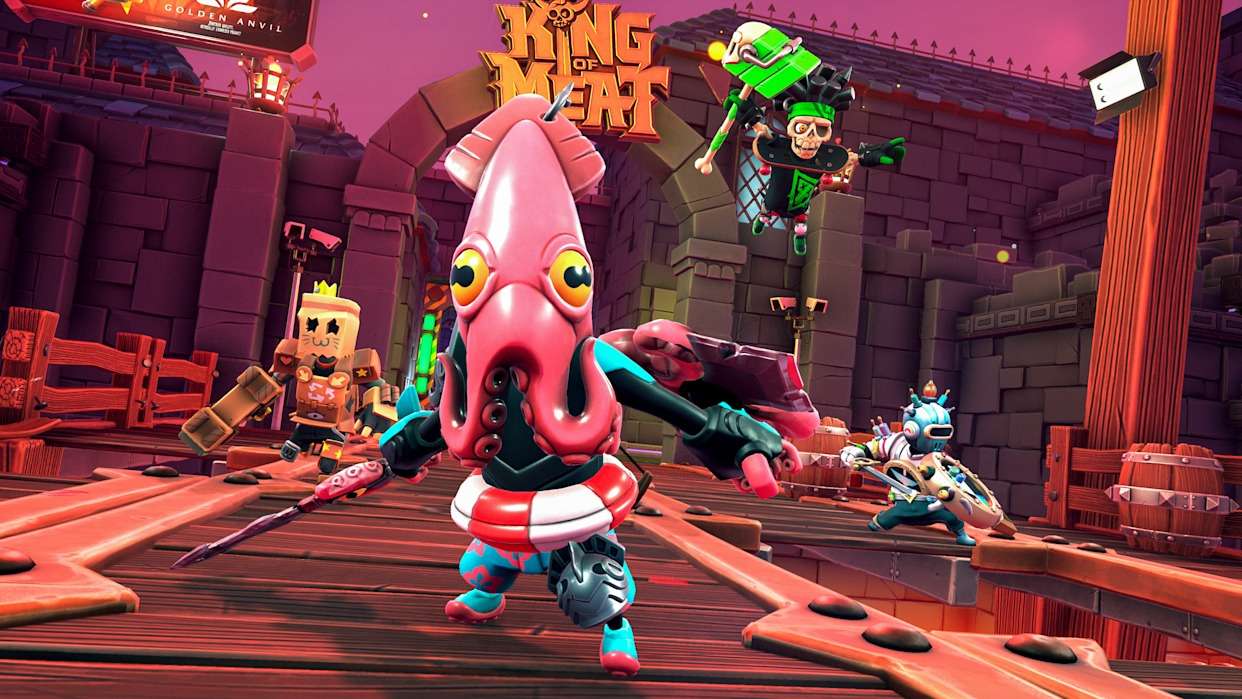 In the fiercely competitive landscape of cooperative multiplayer gaming, a new title emerges with an intriguing, albeit visceral, name: King of Meat. This potential new entrant into the co-op sphere has generated a quiet buzz, not for a lavish marketing campaign, but for the fundamental question it poses: Can a game with such an unconventional premise carve out a niche and become a genuine hit, or will it be relegated to the vast digital graveyard of unfulfilled potential? The journey from concept to a thriving player base is arduous, and for King of Meat, success will undoubtedly require substantial strategic effort, meticulous execution, and a deep understanding of what truly engages the modern co-op enthusiast.
The allure of co-op gaming lies in shared experiences, strategic collaboration, and the unique camaraderie forged through overcoming challenges together. Titles like Helldivers 2, Palworld, and even enduring classics like Minecraft or Left 4 Dead, demonstrate the immense market appetite for well-crafted multiplayer experiences. For King of Meat to join these ranks, it must first establish a compelling core gameplay loop that differentiates it from the existing giants while offering an accessible entry point for new players. The ‘King of Meat’ moniker itself suggests themes of survival, resource management, perhaps even a dark humor or a gritty, visceral combat system. This unique branding could be a double-edged sword, attracting a specific niche while potentially alienating a broader audience if not handled with care and sophistication.
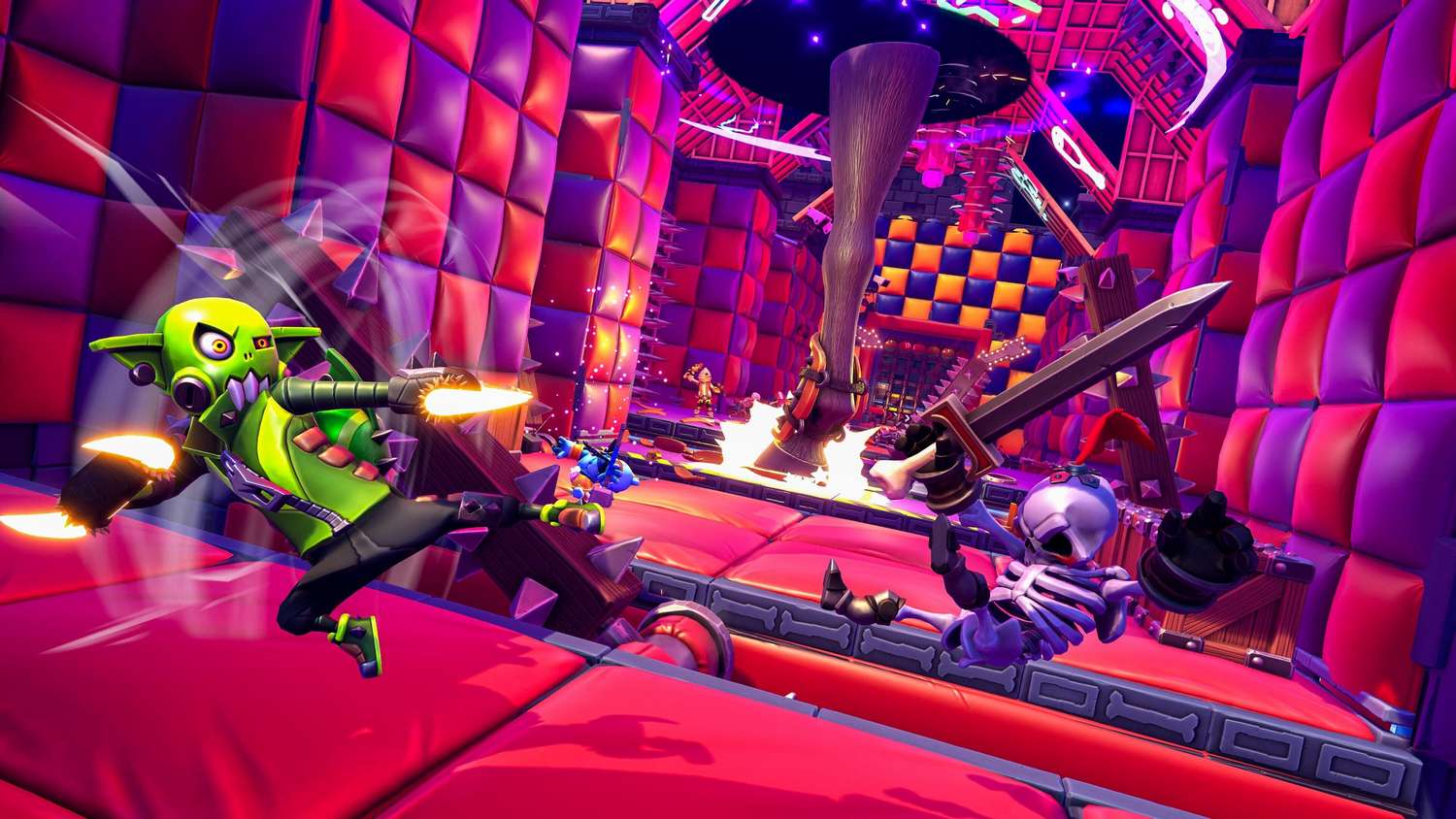 The Critical Pillars of Co-op Success
For any co-op game aiming for longevity and commercial viability, several foundational elements must be robustly addressed. These are not merely desirable features but non-negotiable requirements for securing a foothold in the market and ensuring sustained player engagement:
- Innovative Gameplay Mechanics: What does King of Meat offer that feels fresh and exciting? Is it a unique combat system, a novel resource gathering mechanic, or a truly innovative approach to mission design? The core loop must be addictive and offer genuine strategic depth.
- Seamless Multiplayer Experience: Latency, server stability, robust matchmaking, and intuitive party systems are paramount. A frustrating technical experience can swiftly tank even the most promising game. This often represents a significant development cost and a crucial area for investment.
- Meaningful Progression Systems: Players need goals. Whether it’s character customization, skill trees, gear upgrades, or unlockable content, a clear and rewarding progression path keeps players invested over hundreds of hours. This ties directly into player retention strategies.
- Compelling World and Lore: Even with a potentially quirky title, a well-realized world and intriguing lore can add immense depth and context to the gameplay, fostering a stronger connection with players. This contributes to the overall user experience and game immersion.
- Robust Content Pipeline: Post-launch support, including new missions, characters, weapons, and seasonal events, is crucial for maintaining player interest and preventing content fatigue. This evergreen content strategy is key to long-term revenue generation through battle passes or cosmetic sales.
- Effective Communication and Community Management: An active and responsive development team that listens to player feedback and transparently communicates future plans builds trust and loyalty, turning players into advocates. This is vital for cultivating a strong gaming community and managing expectations.
The name King of Meat itself suggests a theme that could lean into dark fantasy, post-apocalyptic survival, or even a comedic horror setting. Each of these genres carries its own set of player expectations and competitive pressures. The developers will need to clearly define their vision and execute it with precision, ensuring that the ‘meat’ in the title translates into engaging gameplay rather than just shock value.
Navigating the Development and Launch Minefield
Indie developers, or even smaller studios, often face immense pressure when launching a new IP. Securing initial funding, managing development timelines, and then executing a successful marketing campaign are monumental tasks. For King of Meat, early access could be a viable strategy to gather crucial player feedback and build a community organically, but only if the core game is polished enough to make a strong first impression. A rushed or buggy early access launch can irrevocably damage a game’s reputation and its chances of long-term success, impacting future sales performance and brand perception.
Monetization strategy is another critical consideration. While a one-time purchase model is appealing to many, free-to-play with optional cosmetics or battle passes offers a different pathway for sustained revenue, albeit with its own challenges regarding player acquisition and retention. Whatever the model, it must feel fair and respect the player’s time and investment. Aggressive or predatory monetization can quickly turn a potential hit into a pariah, leading to negative reviews and a rapid decline in player numbers, impacting crucial engagement metrics.
Furthermore, the competitive landscape for co-op games is incredibly fierce. Players have an abundance of high-quality options, often backed by established franchises and substantial marketing budgets. King of Meat will need a compelling unique selling proposition (USP) to stand out. Is it its unique art style, its specific narrative, an innovative game mechanic, or perhaps a novel blend of genres? Without a clear differentiator, it risks being overlooked in a crowded market, affecting its ability to achieve significant market penetration.
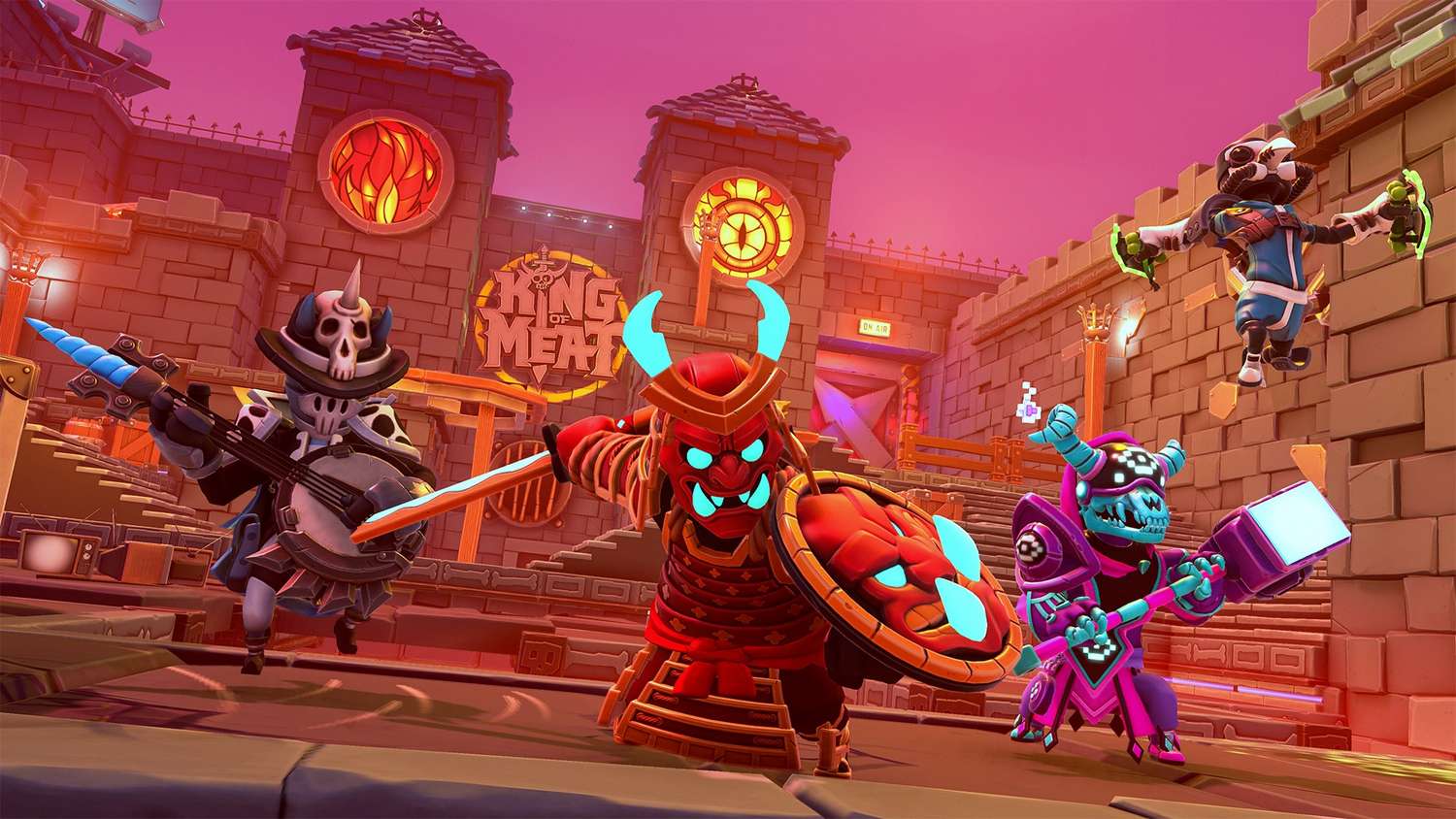 The Role of Community and Iteration
Ultimately, a co-op game’s longevity is heavily tied to its community. Players are not just consumers; they are often content creators, evangelists, and valuable sources of feedback. Fostering a healthy, active community from the outset, engaging with them transparently, and demonstrating a commitment to continuously improve the game based on their input, can turn a promising title into a lasting success story. This iterative development process, fueled by actual player data and sentiment, is often the secret sauce for successful live-service games. Focusing on metrics like daily active users (DAU) and monthly active users (MAU) will be essential for gauging community health and game popularity.
For King of Meat, this means more than just patching bugs. It entails:
- Regular updates that add meaningful content and address balance issues.
- Open lines of communication through forums, social media, and developer diaries.
- Active moderation to maintain a positive and inclusive environment.
- A willingness to adapt and evolve the game based on what players genuinely enjoy.
Without this dedication, even a game with solid mechanics can wither as players migrate to titles that offer more robust support and a more engaging meta-experience. The game’s future hinges on its ability to evolve and adapt, demonstrating a long-term vision beyond the initial launch, which directly influences its lifetime value (LTV) per player.
Conclusion: A Throne for the Taking, But Not Easily Won
King of Meat certainly possesses a distinctive title and the inherent appeal of a cooperative multiplayer experience. However, the path to becoming a true ‘hit’ is paved with significant challenges, requiring far more than just a quirky name. It demands an innovative core, technical excellence, a robust content strategy, and an unwavering commitment to its player base. The market is saturated with games vying for player attention and wallets, making a successful launch and sustained growth a testament to superior design and execution. If the developers behind King of Meat are willing to put in the immense work required to refine its mechanics, foster its community, and continuously deliver valuable content, then and only then will it have a genuine shot at claiming its throne as a co-op hit. The potential is undeniably there, but the journey to realizing it will be a marathon, not a sprint, demanding strategic foresight and consistent effort to unlock its full market potential and secure a lasting place in the competitive gaming industry.