
Unveiling The Witcher 3’s Shifting Hearts: How Geralt’s Iconic Romances Were Nearly Reimagined









Popular Now
 Fall Guys
 Gacha Club
 Stumble Guys
 Roblox
 Grand Theft Auto V
 CarX Street
 Valorant
 Counter-Strike 2
 Fortnite
 Warframe
 Introduction: The Enduring Appeal of Geralt’s Choices
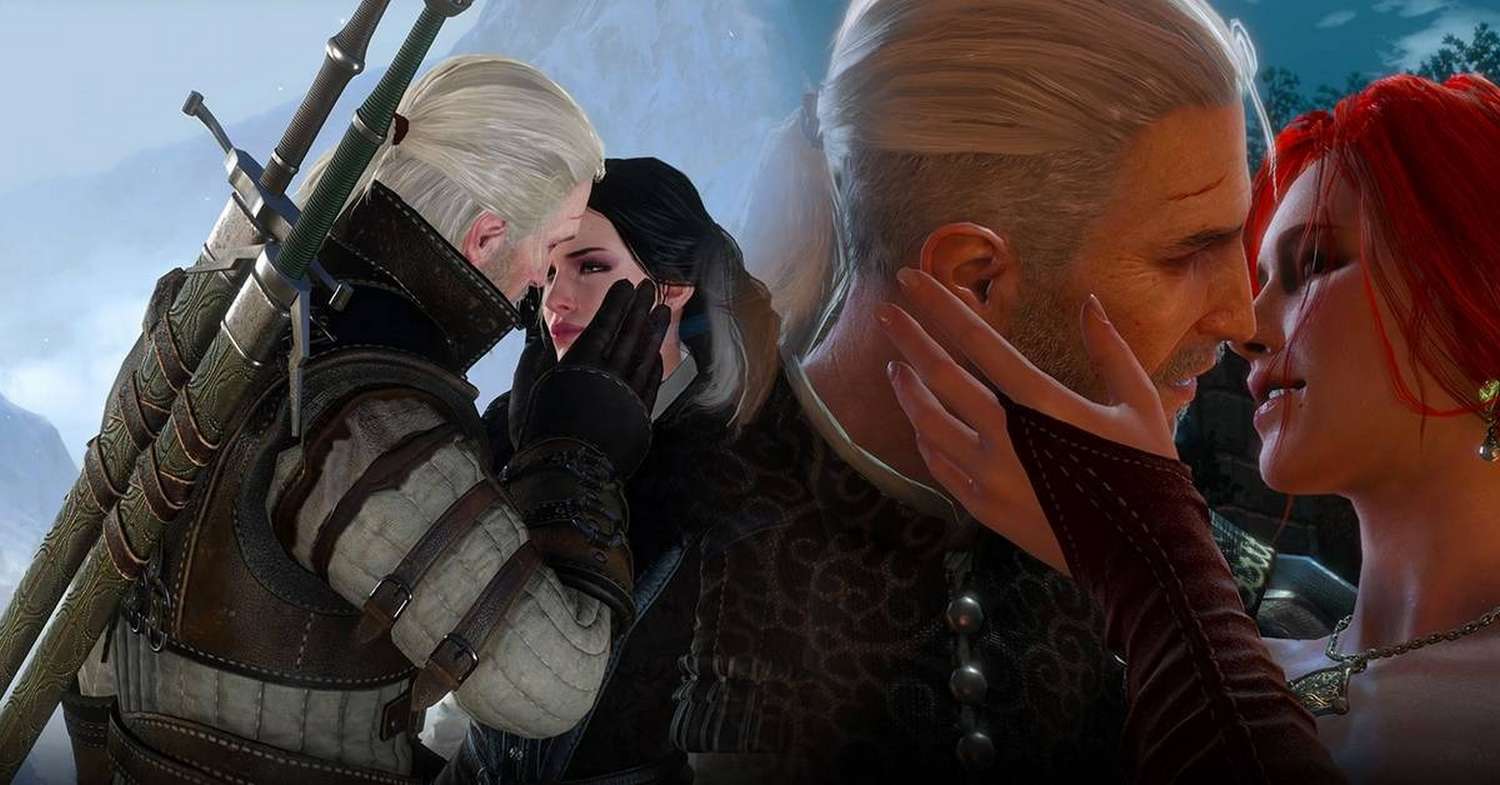
The Witcher 3: Wild Hunt, a monumental achievement in interactive storytelling and open-world game design from CD Projekt Red, is celebrated for many reasons: its sprawling landscapes, intricate quests, and morally ambiguous choices. Among its most lauded and debated elements are the complex romantic entanglements of its protagonist, Geralt of Rivia. Players are thrust into a deeply personal narrative, often torn between the sorceresses Triss Merigold and Yennefer of Vengerberg, whose relationships with Geralt are woven into the very fabric of the game’s lore. However, behind the polished final product lies a fascinating journey of creative evolution; developers have hinted that the game’s iconic romance options almost looked very different during its extensive development cycle, offering a glimpse into the dynamic challenges of high-stakes narrative design.
Understanding these initial concepts provides crucial insight into the creative philosophy of CD Projekt Red and illuminates how delicate the balance is between respecting established canon and offering unparalleled player agency. The initial ambitions for Geralt’s romantic path reveal a development team grappling with the profound impact of player decisions on a beloved universe, ultimately shaping a system that, while celebrated, was the result of significant iteration and strategic re-evaluation. This deep dive into the ‘what ifs’ behind The Witcher 3’s relationships sheds light on the intricacies of crafting an RPG experience that resonates globally.
The Core Dilemma: Balancing Player Agency with Established Lore
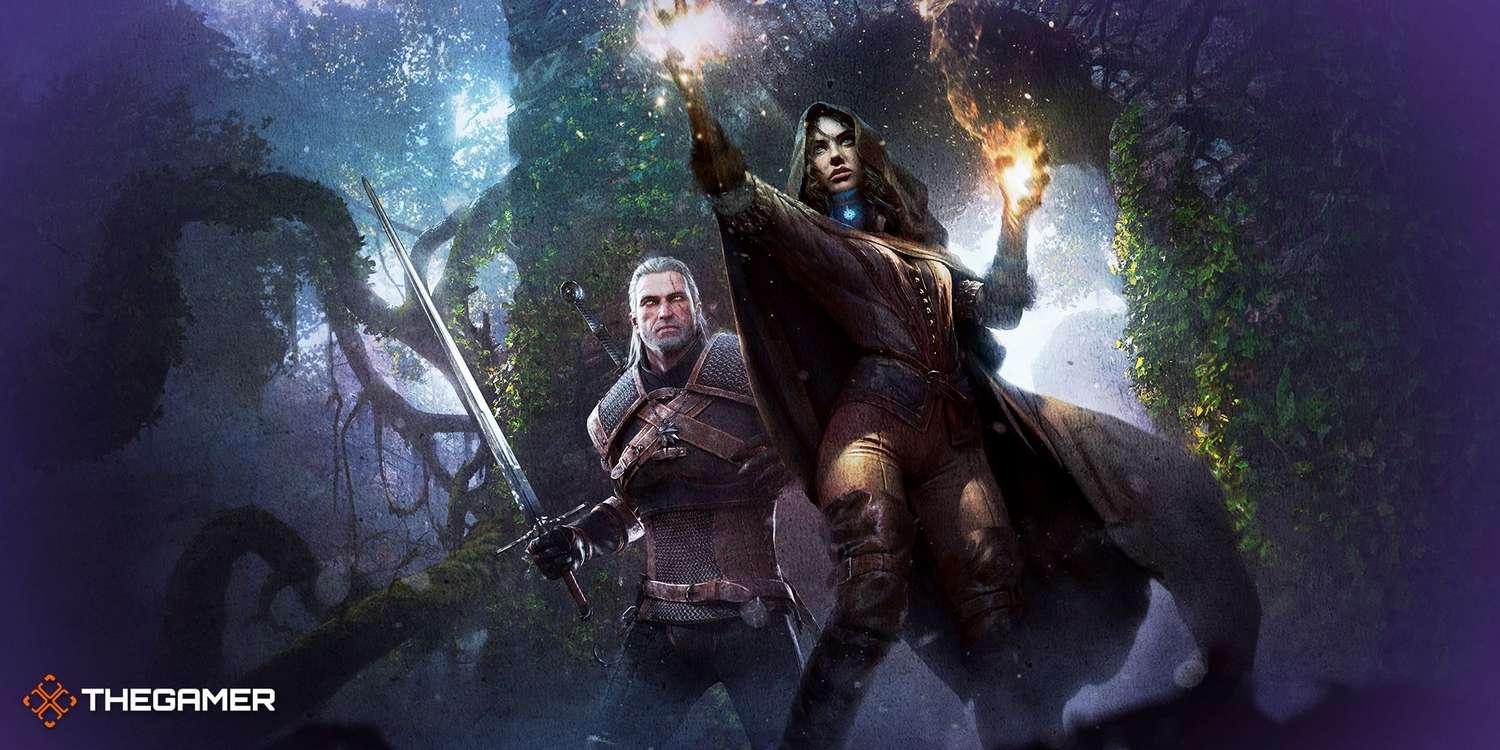
At the heart of The Witcher 3’s romantic narrative is the poignant dilemma between Triss Merigold and Yennefer of Vengerberg. Both sorceresses represent vastly different aspects of Geralt’s life and offer distinct emotional connections. Yennefer is Geralt’s destined love, intertwined with his fate through powerful magic and shared history, a relationship deeply rooted in Andrzej Sapkowski’s original novels. Triss, on the other hand, represents a more recent, complicated affection, a compassionate companion who stood by Geralt during his amnesia, offering a fresh start.
This central conflict became a cornerstone of player investment, but its final form was not a foregone conclusion. Early design discussions, according to various developer interviews and retrospective analyses, often revolved around how to truly make these choices impactful without alienating fans of either character or contradicting the established lore too severely. The challenge was multifaceted: how to give weight to player decisions, how to craft compelling narrative arcs for both women, and crucially, how to prevent a choice from feeling arbitrary or superficial. This intricate dance between player liberty and narrative consistency was a constant battle during the game’s prolonged development, highlighting the complexities inherent in AAA game development and interactive storytelling.
Early Concepts and Scrapped Romance Mechanics
Reports and scattered developer insights suggest that the initial designs for Geralt’s romantic pursuits were considerably more ambitious, potentially offering a vastly different experience for players. One notable area of exploration involved a more aggressive system of consequences tied to the player’s early interactions and declarations of affection. While the final game allows for a degree of flirtation with both Triss and Yennefer before requiring a definitive choice, early concepts reportedly explored a ‘point of no return’ that would have manifested much earlier in the game, perhaps even before players had fully grasped the depth of either relationship.
Considerations were also given to a more branching, almost ‘dating sim’ like system where managing relationships with various characters – not just the main two – had more profound and visible impacts on world states and available questlines. While The Witcher 3 features numerous minor romantic encounters and side quests with characters like Keira Metz or Madame Sasha, these are largely self-contained. Initial designs are said to have toyed with the idea of these secondary relationships having cascading effects on Geralt’s reputation, his access to certain networks, or even influencing the loyalty of minor NPCs across different regions. This would have introduced a layer of relationship management far beyond what was ultimately implemented, potentially making the narrative significantly more open-ended but also exponentially more complex to develop and test.
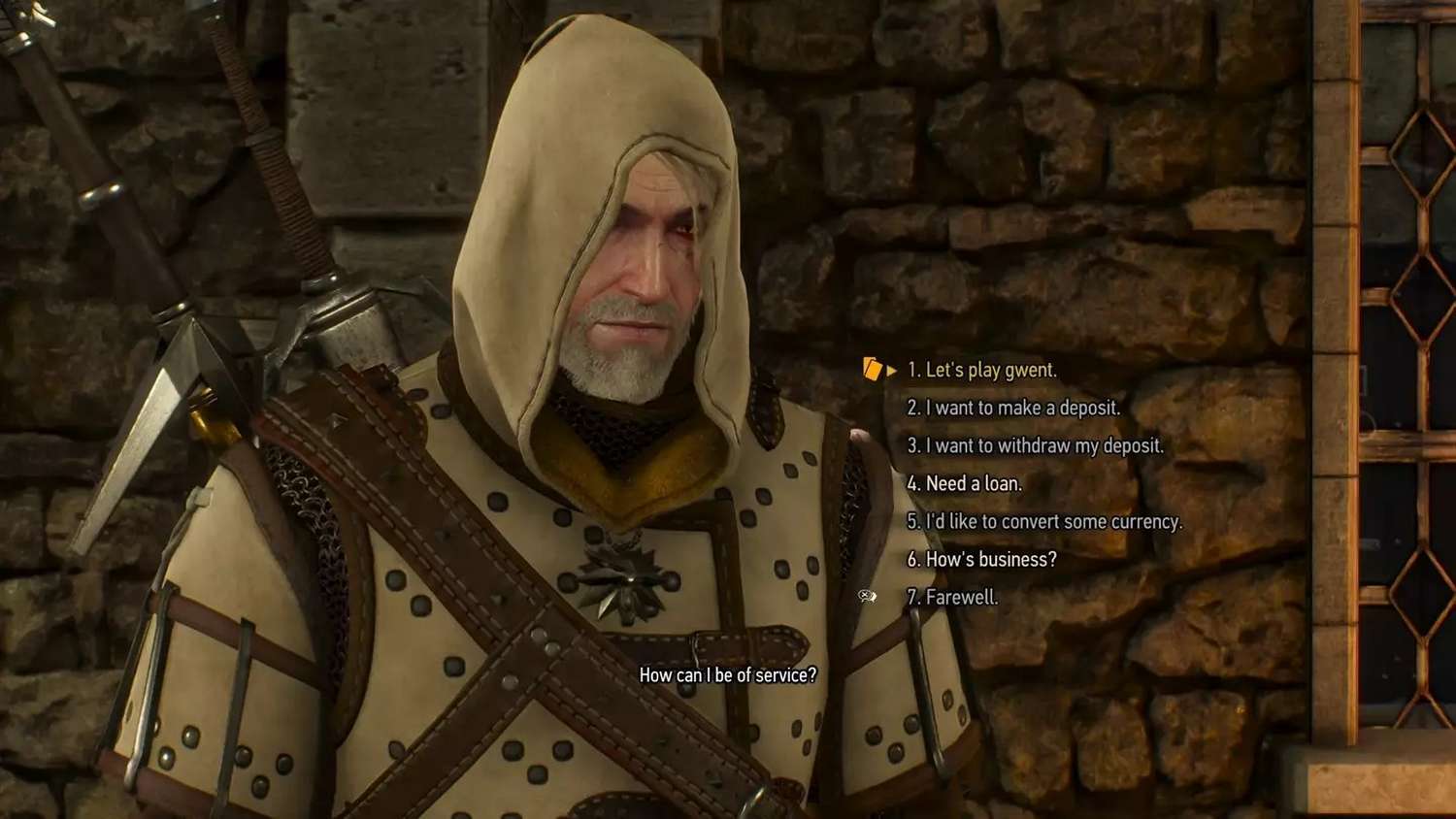
Another significant departure considered was a more definitive ‘locking in’ of a romance through explicit, high-stakes narrative decisions that went beyond mere dialogue choices. This could have involved permanent changes to the main quest progression, perhaps leading to completely different resolutions for certain story arcs depending on who Geralt sided with romantically. The final game, while offering impactful endings for Geralt’s romantic life, maintains a relatively consistent core narrative regardless of his chosen partner. This streamlining was likely a pragmatic decision, ensuring a cohesive central storyline while still allowing for meaningful personal choices, a common trade-off in large-scale RPG projects with extensive narrative design considerations.
The Evolution of Player Agency and Narrative Refinement
The journey from these potentially more radical romance systems to the refined version seen in The Witcher 3 was a testament to CD Projekt Red’s commitment to delivering a polished, emotionally resonant experience. The developers likely realized that while extreme player agency is appealing, it can also dilute narrative focus and increase development overhead to an unmanageable degree. The final design strikes a sophisticated balance, allowing players substantial freedom within the context of a well-defined and compelling story.
This involved meticulously crafting the emotional beats of both Triss and Yennefer’s storylines, ensuring that each path felt complete and satisfying. Rather than relying on a complex web of numerical relationship values or early, irreversible lock-ins, the game focuses on key moments of choice that feel natural and earned. Dialogue options, quest outcomes, and character interactions were all carefully calibrated to guide the player through Geralt’s emotional journey, culminating in a choice that is both narratively significant and emotionally weighty.
Furthermore, the developers honed the concept of consequences. While not as sweeping as some earlier ideas might have suggested, the impact of Geralt’s romantic choices is deeply felt in the game’s epilogue and through character interactions. The famous ‘three-way’ romance option, which leads to Geralt being left by both sorceresses, serves as a powerful cautionary tale about attempting to ‘have it all,’ underscoring the game’s philosophical approach to moral and personal responsibility.
Balancing Lore and Liberty: CD Projekt Red’s Tightrope Walk
One of the most profound challenges for CD Projekt Red was navigating the established lore of The Witcher universe. Geralt and Yennefer’s relationship, particularly their ‘destiny,’ is a cornerstone of the books. Giving players the option to entirely deviate from this bond by choosing Triss (or neither) was a significant decision. The development team had to ensure that even with player choice, the characters remained true to their established personalities and motivations.
The nuanced portrayal of both Triss and Yennefer reflects this tightrope walk. Yennefer, with her fierce independence and complicated history with Geralt, is presented as his true counterpart, while Triss offers a softer, perhaps more straightforward affection. The ‘almost different’ romance paths likely included more extreme versions of these characterizations or even alternative fates for the sorceresses, which were ultimately tempered to maintain fidelity to the source material while still empowering the player.
This careful calibration is a hallmark of CD Projekt Red’s game design philosophy, emphasizing that player freedom, while paramount, must serve the overarching narrative and thematic integrity. The process of refining these romance options serves as a case study in how top-tier RPG mechanics are iteratively developed, focusing on depth of engagement over sheer breadth of choices that might dilute the experience.
Impact on the Gaming Landscape and Future RPGs
The Witcher 3’s romance system, even in its final, more streamlined form compared to earlier concepts, set a new benchmark for emotional storytelling in open-world RPGs. The depth of character interaction, the genuine emotional investment players felt, and the weight of their choices resonated across the gaming industry. It proved that complex personal relationships could be as compelling as epic quests or grand battles, elevating the standard for character development in games.
The lessons learned from the evolution of Geralt’s romantic options – the balance between ambitious features and practical implementation, the respect for source material versus player agency, and the art of crafting truly meaningful choices – continue to influence subsequent AAA titles and independent projects alike. Developers constantly look to The Witcher 3 as an exemplar of how to integrate player decisions seamlessly into a rich, predefined world.
This exploration into the ‘almost’ romances of The Witcher 3 not only offers fascinating insights into its creation but also underscores the iterative, challenging, and ultimately rewarding process of crafting one of the most beloved role-playing games of all time. It reminds us that behind every masterpiece are countless hours of deliberation, design changes, and the strategic refinement of ideas that might have once looked radically different.
Conclusion: A Legacy Forged in Iteration
The Witcher 3: Wild Hunt stands as a testament to compelling narrative design, and its romance options are a critical component of its enduring legacy. The journey from initial, more expansive and potentially divergent concepts to the finely tuned system players experienced showcases the meticulous effort CD Projekt Red invested. While Geralt’s romantic paths almost looked very different, the final iteration successfully delivered a nuanced, emotionally charged experience that respected both the source material and the player’s desire for meaningful agency.
This deep dive reveals not just historical development insights but also crucial lessons for contemporary game developers: the inherent value of iterative design, the necessity of balancing ambition with practicality, and the profound impact of well-crafted choices. The Witcher 3’s romance system, born from a crucible of creative decisions and strategic refinements, continues to shape expectations for interactive storytelling and remains a vital example of how deep interactive storytelling can truly immerse players in a world of complex relationships and unforgettable decisions, solidifying its place as a cornerstone of modern gaming innovation.