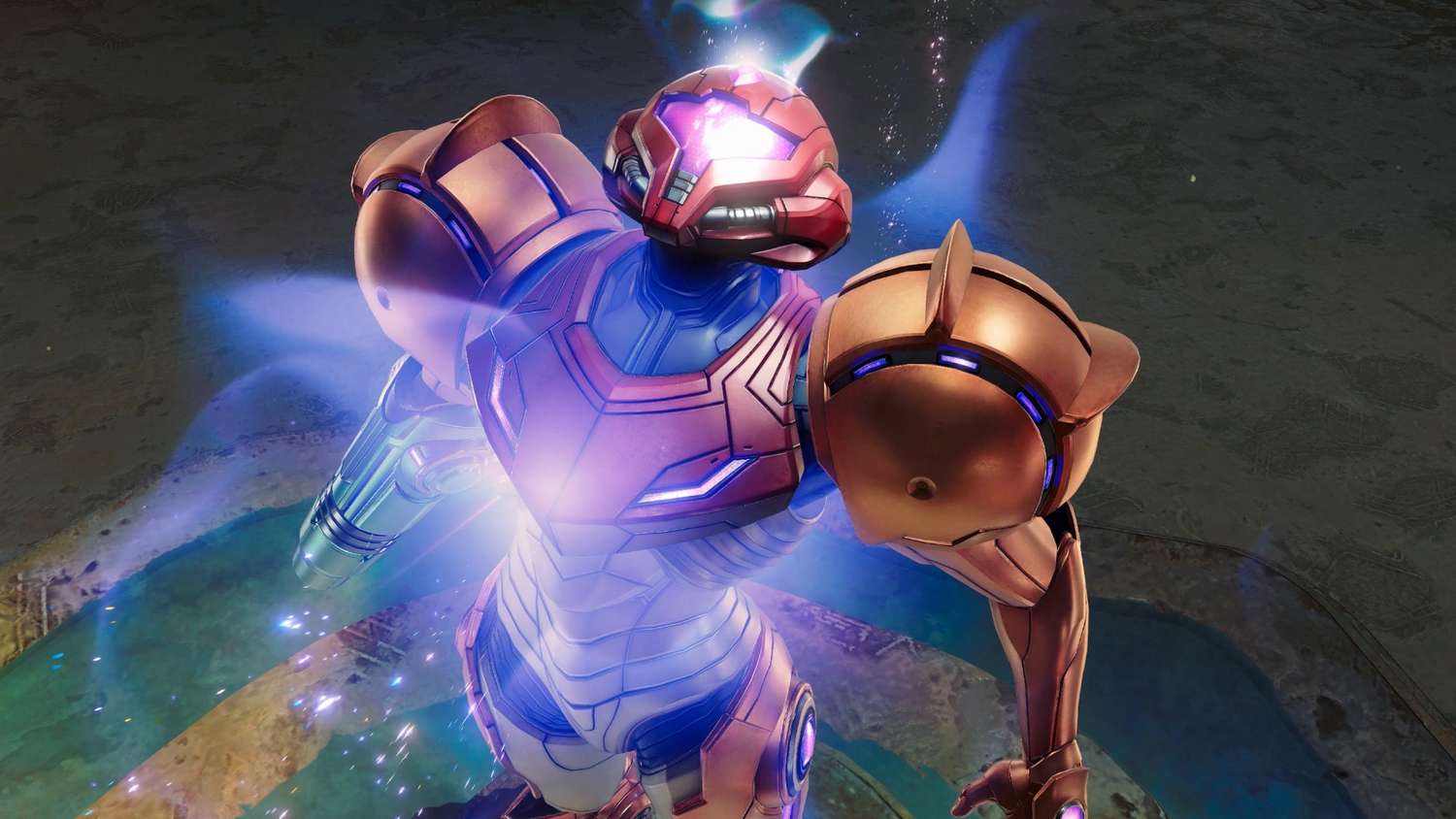
Metroid Prime 4: Beyond – Exclusive Early Demos Offer a Glimpse, But General Access Remains a Distant Dream










Popular Now
 Among Us
 Genshin Impact
 Minecraft
 God of War Ragnarök
 Warframe
 Fall Guys
Geometry Dash
Fall Guys
Geometry Dash
 Free Fire Max
 Poppy Playtime
 Counter-Strike 2
The saga of Metroid Prime 4: Beyond has been one of the most tumultuous and intensely scrutinized development cycles in modern gaming history. Announced in 2017, restarted with Retro Studios in 2019, and finally slated for a December 4, 2025 release, the game carries the weight of immense fan expectation and a rumored budget exceeding $100 million—a figure positioning it as potentially the most expensive Nintendo project ever undertaken. Now, mere weeks before the official launch, the public is finally receiving its first fragmented glimpses of the finished product, not through a widespread digital download, but via highly restricted, exclusive in-store demos.
These early playable sections, available primarily on Nintendo Switch 2 retail kiosks at select North American locations (including major retailers like Walmart and Target), confirm both the game’s existence and its polish, offering players a 20-minute slice of the prologue. However, this limited rollout underscores a critical point: while the gate may be slightly ajar for a privileged few, the vast majority of the global fanbase still faces a distant wait. This report delves into what these early demos reveal about the game’s performance, gameplay innovation, and what Nintendo’s strategic demo rollout signals about its aggressive marketing push for the holiday season.
I. The Exclusive Retail Kiosk Strategy: A Calculated Scarcity Model
Nintendo’s decision to deploy the first playable demo of Metroid Prime 4: Beyond exclusively to in-store kiosks is a masterclass in controlled scarcity and a direct play to drive foot traffic to retail partners. This method generates significant buzz while simultaneously limiting the game’s exposure to data-mining and extensive performance analysis prior to review embargos.
Key Strategic Observations from the Demo Rollout:
- Targeted Hardware Showcase: The demos are predominantly installed on the Nintendo Switch 2 kiosks. This directly leverages the immense hype around the new console, showcasing Metroid Prime 4: Beyond as a flagship title designed to utilize the console’s enhanced capabilities, particularly in terms of graphical fidelity, resolution, and frame rate. Reports confirm the game looks “beautiful” and runs “smoothly,” fulfilling the promise of a true next-gen Metroid Prime experience.
- Viral Marketing by Limitation: The 20-minute time limit and the physical location requirement force enthusiasts to share their impressions online, creating an organic, high-velocity stream of first-hand micro-reviews across social media. This is a highly effective, low-cost marketing tactic that builds anticipatory tension—a core component of successful First-Person Action-Adventure Investment strategies.
- Prologue-Only Access: Limiting the demo to the prologue, set within a Galactic Federation base, restricts any major story or late-game mechanic spoilers, preserving the sense of exploration and mystery that is foundational to the Metroidvania genre.
The controlled nature of this release is a stark contrast to the development’s troubled past, suggesting a highly organized and confident marketing campaign leading up to one of the most critical launches in Nintendo’s recent history.
II. Performance and Visual Fidelity: The Switch 2’s Showcase Exclusive
Initial player feedback from the kiosk demos provides the most tangible evidence yet of the technical ambitions of Retro Studios. The original Metroid Prime trilogy was a technical benchmark for its respective generations, and Beyond appears determined to reclaim that mantle on the new hardware.
Technical Impressions Gathered:
- Resolution and Clarity: The game’s sharpness is widely praised, with the visual presentation on the Switch 2’s display being described as “eye-opening.” This confirms that Retro Studios is prioritizing crisp, detailed environments essential for a compelling first-person experience, directly appealing to the segment interested in Next-Gen Console Performance.
- Frame Rate and Fluidity: Reports highlight a buttery-smooth performance, with the potential for a 120 fps Performance Mode on the Switch 2—a monumental leap for a Nintendo first-party title. This fluidity is crucial for the lock-on centric combat and precision platforming that defines the Prime sub-series.
- New Control Schemes: The demo also appears to feature the new control options rumored for the Switch 2, specifically the ability to use the right Joy-Con on a flat surface to mimic mouse aiming. This suggests a commitment to modernizing the control input while retaining the flexibility of the classic twin-stick setup, offering a diverse array of options for the First-Person Action-Adventure Investment demographic.
The visual upgrade appears significant enough to strongly incentivize the purchase of the newer hardware, aligning Metroid Prime 4: Beyond perfectly with Nintendo’s console transition strategy. This simultaneous release across both the original Switch and the new console is a difficult balancing act, but early indications suggest the Switch 2 version is the definitive, high-fidelity experience.
III. Gameplay Innovations: Psychic Powers and Narrative Scope
While the 20-minute prologue may not reveal the full extent of the game’s expansive design, it confirms the presence of several anticipated new gameplay mechanics that will differentiate Beyond from its predecessors, particularly in the core loop of exploration and combat.
Confirmed and Rumored New Elements:
- Samus’s Psychic Abilities: Trailers and subsequent demo confirmation show Samus utilizing new telekinetic or “psychic” powers. These abilities are expected to be fully integrated into puzzle-solving, allowing the manipulation of objects and environmental elements to access new paths. This is a significant shift from the purely gadget-based progression of previous titles and adds an entirely new dimension to the Metroidvania exploration model.
- The Role of Sylux: The recurring, enigmatic bounty hunter Sylux, teased since Metroid Prime 3: Corruption, is set to play a major antagonist role. The demo’s setting in a Federation base, likely under attack by Space Pirates in alliance with Sylux, sets a darker, more interconnected narrative tone. This narrative depth is key to justifying the long Long-Term Development Cycle and high AAA Exclusive Game Budget.
- “Open-World” Design Philosophy: While the core game remains a structured Metroidvania, reports suggest Beyond is adopting a more expansive, potentially semi-open-world structure in its planet design. The introduction of the rumored “Samus bike” further supports the idea of vast zones and accelerated traversal, a necessity for modern action-adventure titles.
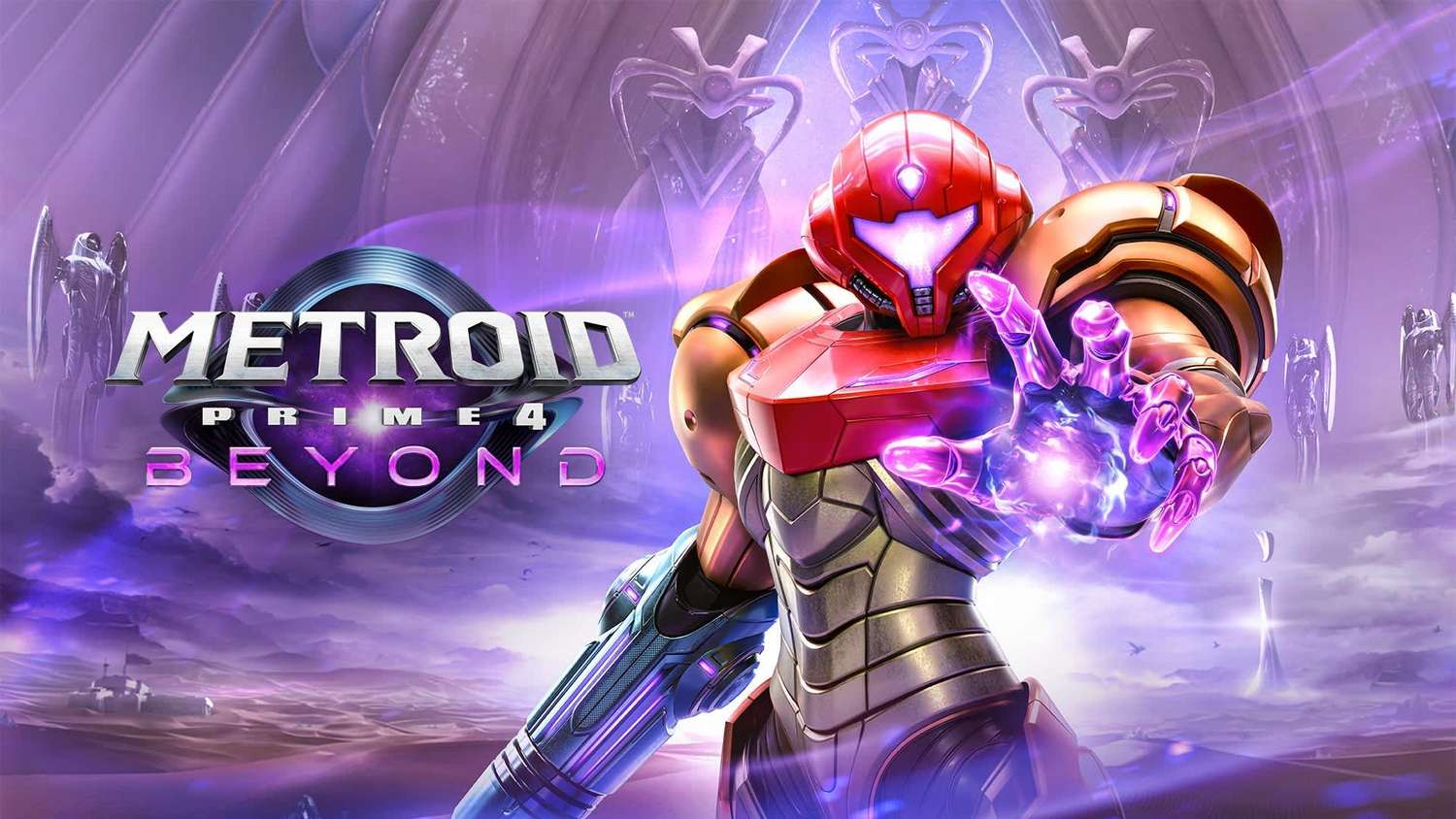 This willingness by Retro Studios to introduce fundamental new mechanics while retaining the classic Prime feel is the biggest source of the immense pre-release hype. The challenge, and the risk, is integrating these new psychic and traversal mechanics without sacrificing the intimate, methodical exploration the series is known for.
IV. The Cost of Ambition: Decoding the $100 Million Budget and Long-Term Investment
The reported $100 million budget for Metroid Prime 4: Beyond is not just a headline figure; it’s a testament to the scale of the project’s ambition and the costly reality of its restart. This immense investment covers several crucial factors:
- Restarted Development Costs: Nuking the initial project and restarting development in 2019 with Retro Studios meant that years of payroll and concept work were effectively written off and absorbed into the final budget, a common factor in extended Long-Term Development Cycle projects.
- Staffing and Scaling: Retro Studios significantly expanded its team to tackle the project’s scale, incurring high salaries typical of a major American development studio over a six-year period.
- Next-Gen Optimization: A portion of the budget was undoubtedly allocated to ensuring the game is fully optimized for the new Nintendo Switch 2 hardware, a crucial investment for an AAA Exclusive Game Budget title that needs to anchor the new console’s catalog.
This substantial financial commitment by Nintendo underscores the company’s belief that Metroid Prime 4: Beyond is not just a nostalgic revival, but a central pillar of its new console generation lineup. The game’s success is a strategic necessity, validating the reboot and reassuring shareholders after the initial setbacks.
V. Conclusion: The Final Countdown and the Dreams of General Access
The early demos of Metroid Prime 4: Beyond have successfully shifted the narrative from one of endless development limbo to one of tangible, high-quality anticipation. They confirm that Samus Aran’s long-awaited return is a visually stunning, technically polished, and conceptually ambitious First-Person Action-Adventure Investment for Nintendo.
However, for the majority of the community, the kiosk-only access remains a tantalizing glimpse through a locked window. The experience is limited, localized, and ultimately a controlled tease. While the game’s official release on December 4, 2025, is now an established fact, the immediate future for fans is one of patiently awaiting the full, global release. The true measure of Metroid Prime 4: Beyond will not be found in a 20-minute demo, but in how well its massive scope, innovative mechanics, and high-stakes narrative cohere across a full, 40+ hour Metroidvania adventure.
Final Verdict on the Demo Strategy: Effective. It has generated maximum buzz with minimal spoiler risk, establishing Beyond as the must-have AAA Exclusive Game Budget title for the coming holiday season and beyond.