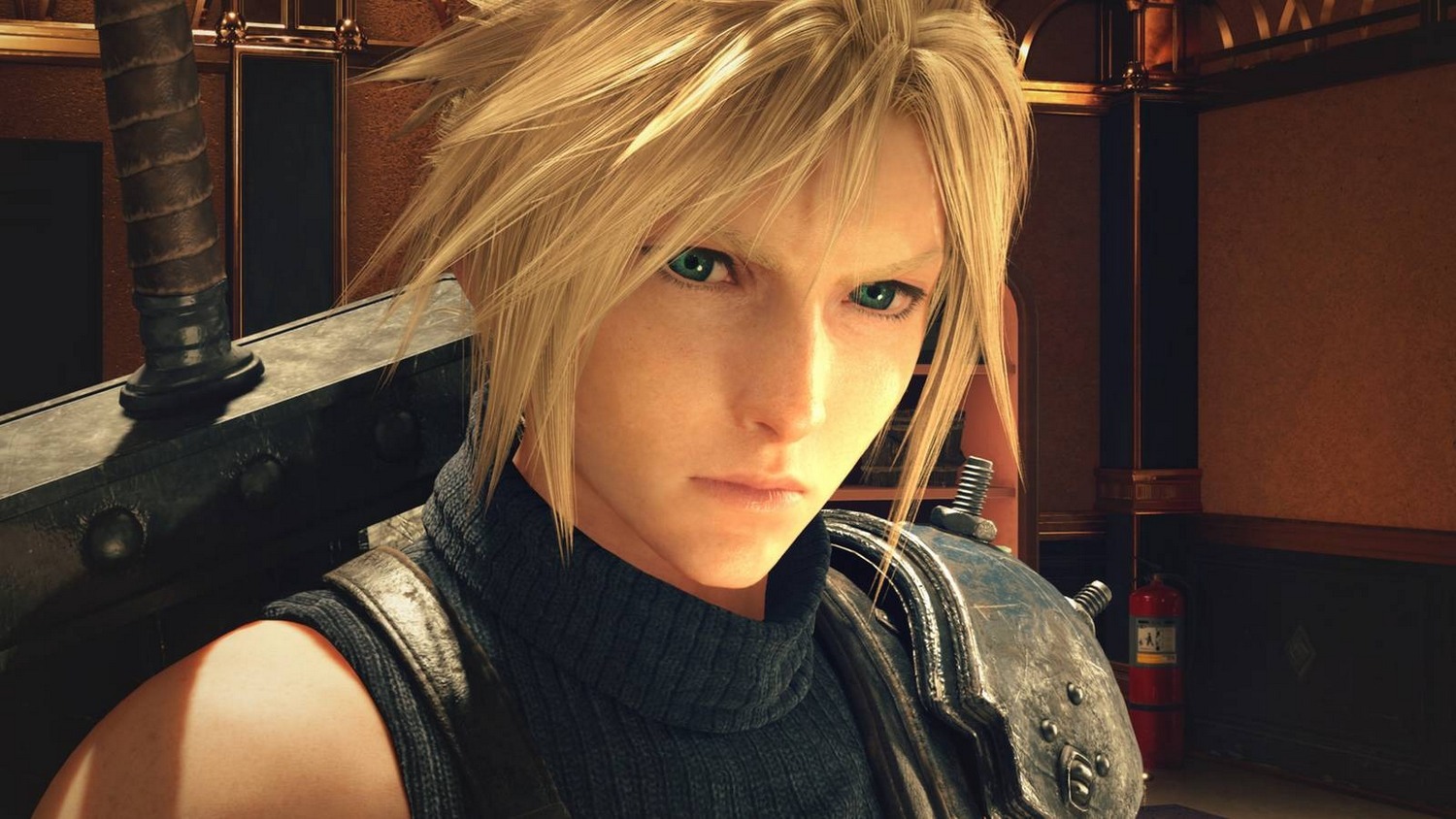
Final Fantasy XVII: The Unprecedented Weight of Pre-Release Expectations and Its Impact on Future Game Reviews







Popular Now
 Valorant
 Gacha Club
 PUBG Mobile
 Schedule I
 CarX Street
 Auto X Drift Racing 3
 Call of Duty
 Poppy Playtime
 Grand Theft Auto V
Candy Crush Saga
Grand Theft Auto V
Candy Crush Saga
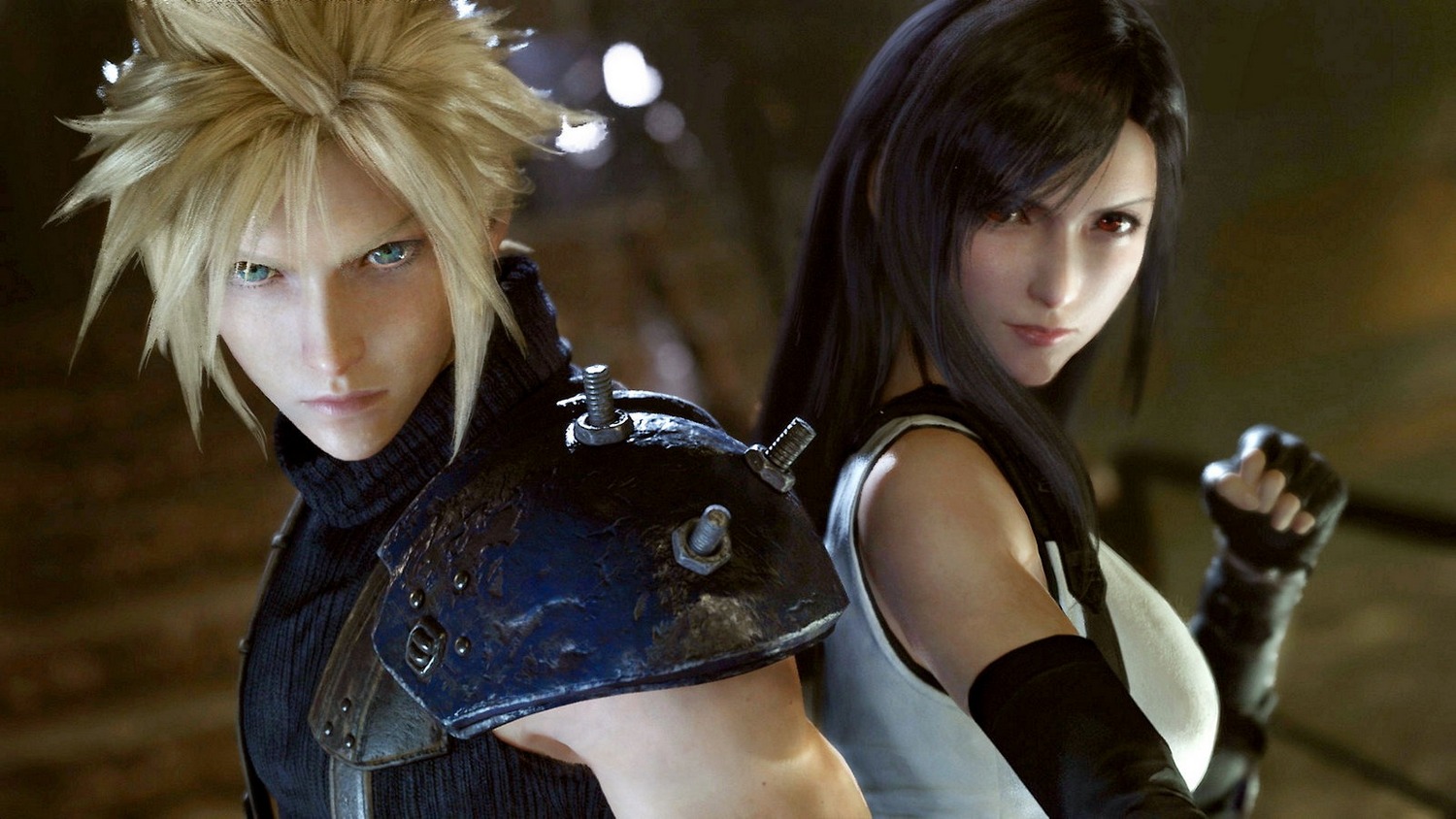 The Enormous Shadow of Anticipation Cast by Final Fantasy XVII
In the expansive and often speculative realm of high-stakes video game development, few titles command the immediate, almost reverent attention of a new mainline Final Fantasy installment. While Final Fantasy XVII doesn’t yet officially exist beyond the collective dreams and discussions of its colossal fanbase, the expectations surrounding it are already reaching monumental proportions. This phenomenon is not merely about hype; it’s a complex interplay of franchise legacy, evolving player demands, the triumphs and controversies of recent entries, and the inherent pressure on Square Enix to innovate while retaining the series’ core identity. For critics and players alike, understanding these pre-existing expectations is crucial, as they will undoubtedly shape the discourse and ultimate critical reception of the game whenever it eventually materializes.
The Legacy’s Heavy Mantle: A Franchise Defined by Innovation and Diverse Fan Expectations
The Final Fantasy series, spanning over three decades, has consistently redefined itself, often to the delight of some and the consternation of others. Each numbered entry is less a direct sequel and more a fresh interpretation of core themes—heroism, crystal lore, and epic journeys—through distinct worlds, characters, and evolving gameplay mechanics. This continuous reinvention, while a hallmark of the franchise, has inadvertently cultivated a highly diverse and segmented fanbase, each segment harboring specific desires for the ‘next’ true Final Fantasy experience. From the strategic turn-based combat enthusiasts of earlier eras to the action-RPG aficionados drawn in by more recent iterations like Final Fantasy XVI, the developers face an almost impossible task: satisfying everyone. This inherent tension significantly impacts the game development process and establishes a baseline of scrutiny that reviews will inevitably address.
Analyzing the Echoes: Lessons from Final Fantasy XVI and VII Rebirth
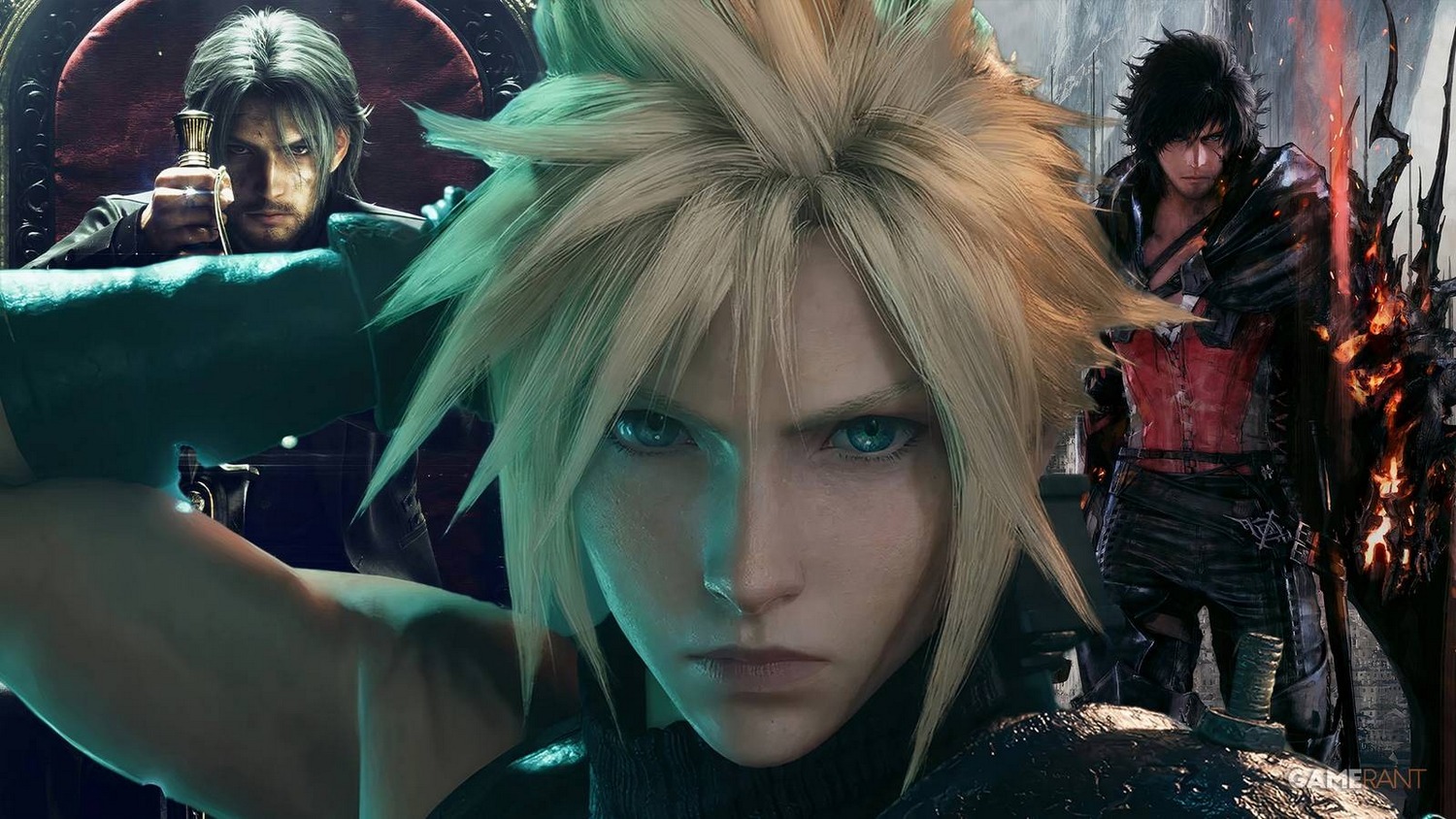
Recent high-profile releases, particularly Final Fantasy XVI and Final Fantasy VII Rebirth, offer invaluable insights into the current landscape of player expectations and critical responses. Final Fantasy XVI, lauded for its mature narrative and spectacular, action-oriented combat system, also faced critiques regarding its linear structure, lack of party control, and limited RPG elements outside of combat. Conversely, Final Fantasy VII Rebirth, while a critical darling for its expansive world, engaging character interactions, and blend of classic and modern mechanics, still navigated discussions around its pacing and the divisive nature of its narrative deviations from the original. These experiences serve as a crucial barometer for what players now expect in terms of narrative depth, freedom of exploration, character development, and the overall balance between tradition and modernization. Any future Final Fantasy XVII, as a potential AAA title, will be meticulously compared to these recent benchmarks, influencing its scores and long-term player retention.
The Business of Hype: Development Costs, Marketing, and Critical Acclaim
Beyond creative aspirations, the stakes for Final Fantasy XVII are profoundly financial. Developing a modern JRPG of this scale entails astronomical development costs, often running into hundreds of millions of dollars. Square Enix, a publicly traded company, operates under immense pressure to deliver a product that not only resonates with its existing fanbase but also attracts new players, ensuring a significant return on investment. This commercial imperative often fuels extensive pre-release marketing campaigns designed to generate maximum hype. However, as numerous past examples in the gaming industry demonstrate, excessive hype can be a double-edged sword. While it builds anticipation and drives initial sales, it also elevates the bar for critical performance to an almost unattainable level. Reviewers, tasked with an objective assessment, must navigate this promotional landscape, dissecting whether the final product lives up to its immense marketing promises and the implicit expectations of its staggering budget.
Fan-Driven Narratives: What Players *Think* They Want from FF17
Online forums, social media, and gaming communities are already abuzz with speculative discussions about Final Fantasy XVII. Common themes emerge: a desire for a return to a more traditional turn-based combat system, while others crave further evolution of the action-RPG mechanics. Many hope for a truly open-world experience, akin to Western RPGs, offering unparalleled exploration and side content, while others prioritize a tightly focused, cinematic narrative. The debate over character design, the complexity of magic systems, the inclusion of beloved summons, and even the integration of potential new technologies like AI companions or novel multiplayer components continues unabated. Each of these collective desires contributes to a complex tapestry of expectations that will inevitably inform how the game is perceived and reviewed. The challenge for Square Enix isn’t just to make a great game, but to make a game that can selectively embrace or subvert these deeply ingrained community desires without alienating critical segments of its gaming community.
The Imperative of Innovation Versus The Comfort of Tradition
One of the enduring tensions within the Final Fantasy series is the balancing act between groundbreaking innovation and adherence to beloved traditions. This is a critical axis upon which reviews of any new entry will pivot. Will Final Fantasy XVII introduce a revolutionary new combat system or narrative structure that boldly pushes the genre forward, potentially alienating those who yearn for classic elements? Or will it lean into established tropes, offering comfort and familiarity at the risk of being labeled uninspired or playing it too safe? The most successful entries often find a delicate equilibrium, evolving core concepts while retaining the essence that defines a Final Fantasy game. Critics will examine how the game navigates this tightrope walk, assessing whether its innovations are meaningful and well-executed, and whether its nods to tradition feel earned rather than obligatory. This constant negotiation defines the franchise’s identity and dictates its critical path.
Navigating the Review Landscape: Pre-Release Hype and Post-Launch Scrutiny
The pre-release hype surrounding Final Fantasy XVII creates a unique challenge for game reviewers. Before a single line of code is finalized, the game already carries the weight of decades of history, countless forum discussions, and the cumulative desires of millions of fans. When review copies eventually land, critics will not merely be evaluating a game; they will be evaluating it against an almost mythical standard set by collective imagination. Initial review scores, typically reflective of the game’s immediate technical prowess, gameplay enjoyment, and narrative coherence, will be meticulously dissected by a passionate fanbase. Any deviation from perceived perfection, or failure to meet niche expectations, can lead to intense online debate and even ‘review bombing’ if the disparity between anticipation and reality is too great. The pressure on review outlets to provide nuanced, comprehensive assessments that acknowledge both the objective qualities of the game and its place within the broader franchise context will be immense. Ultimately, the story of Final Fantasy XVII’s critical reception will begin long before its official announcement, shaped by the powerful, often overwhelming, force of its own non-existent legacy.