
The “Stupid” Genius of Deltarune: Toby Fox Explains His Anti-Efficient Development Strategy










Popular Now
 PUBG Mobile
 Call of Duty
 R.E.P.O
 Black Myth: Wukong
 Minecraft
 Gacha Club
 Brawl Stars
Garena Free Fire: Kalahari
Brawl Stars
Garena Free Fire: Kalahari
 The Legend of Zelda
 CarX Street
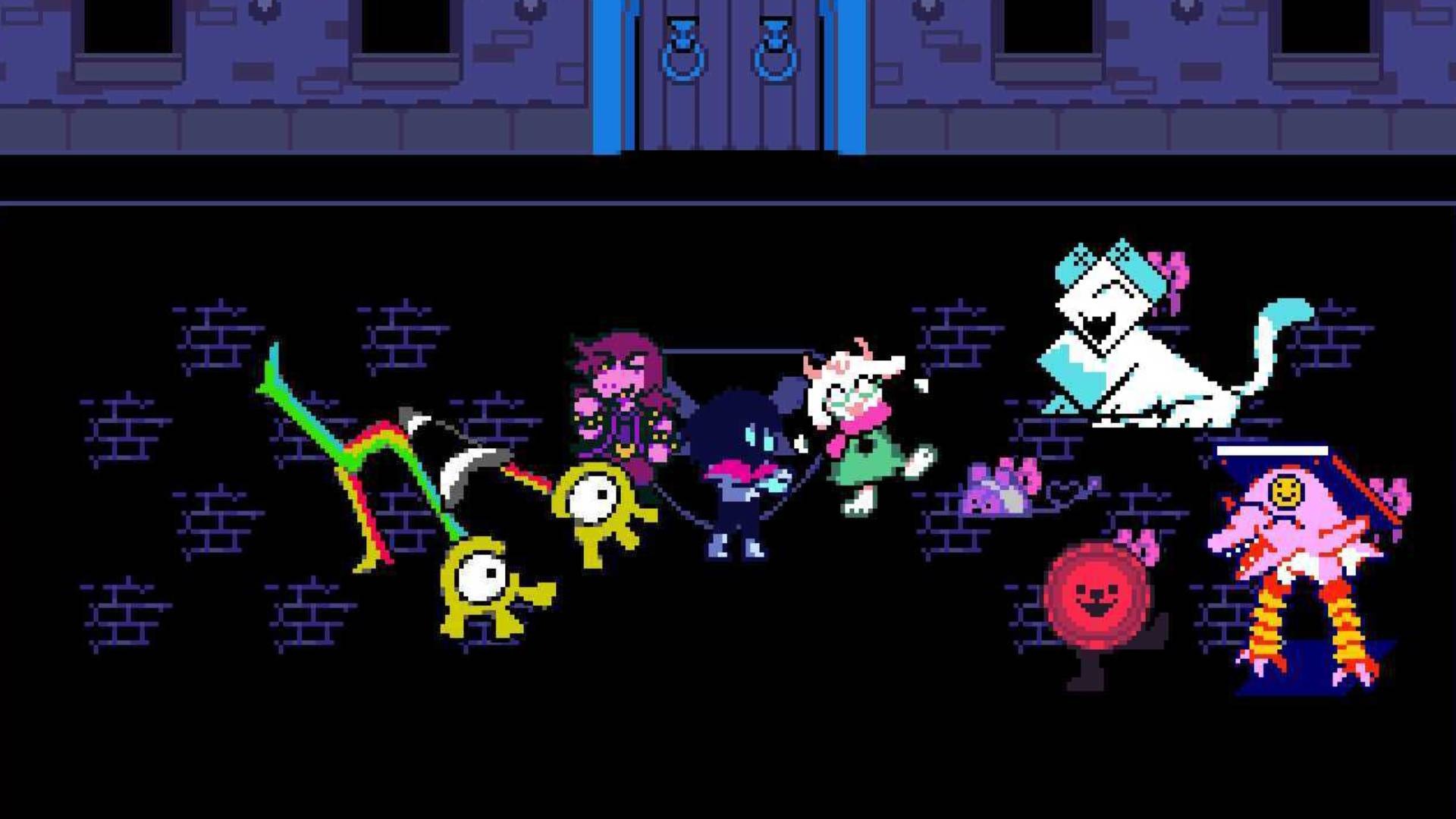 In a candid and typically self-deprecating analysis of his own creative process, Toby Fox, the celebrated creator behind ‘Undertale’ and the episodic follow-up ‘Deltarune’, has revealed why the game’s development cycle is inherently long, labeling his preferred methodology as “stupid.” The indie RPG maestro contrasts his approach with the standard, more “smart” industry practice, highlighting the intense dedication to novelty that makes ‘Deltarune’ a unique—if time-consuming—project.
 The Industry Standard vs. The Fox Method
Speaking in a recent interview, Fox acknowledged the prevailing wisdom in video game development, which prioritizes efficiency and asset re-utilization—a key to managing budgets and hitting demanding release schedules. This is the smart way to make games that larger studios rely on for franchises with annual or consistent releases.
- The Efficient RPG Model: Fox notes that in many traditional RPGs, enemy encounters often share fundamental mechanics. The appearance, animations, and lore may differ, but core stats like HP, weaknesses, and attack patterns can be quickly altered in a database. This allows developers to churn out a high volume of unique-looking, yet mechanically familiar, battles with relative ease. This is a common cost-effective and time-saving strategy in the AAA space.
- The ‘Deltarune’ Anomaly: Fox jokingly, but pointedly, describes his own development process as “stupid” because it completely rejects this efficiency. He confirms that the long gap between Chapter releases (Chapter 1 in 2018, Chapter 2 in 2021, and Chapters 3 & 4 in 2025) is a direct consequence of this artistic choice.
“A Container for a Never-Before-Seen Gimmick”
The core of Fox’s unique challenge lies in his unwavering commitment to making every part of ‘Deltarune’ feel fresh and mechanically distinct. This pursuit of constant novelty forces a monumental amount of work for his small development team, including the painstaking creation of unique assets and bespoke code for nearly every encounter.
- Unrelenting Novelty: “Everything in the game is simply a container for a never-before-seen gimmick,” Fox states. This means that unlike standard RPGs where numbers are tweaked, in ‘Deltarune’:
- Every single enemy requires new bullet patterns and unique [actions].
- Every major area features entirely new puzzles and bespoke environmental interactions.
- The Cost of Detail: This devotion to detail—where nearly every character, setting, and moment introduces a unique mechanical twist—means that Fox and his team “can’t rely on just tweaking numbers.” The result is a game that is a dense tapestry of custom-made content, which is beloved by fans for its creativity but highly inefficient to develop, explaining the protracted timeline for the final chapters.
 Fan Loyalty and the Long-Term ROI of Uniqueness
While acknowledging the slow pace, Fox also softened his “stupid” comment, noting that the unique results are what have cultivated such massive and loyal fanbases for both ‘Undertale’ and ‘Deltarune’. The depth of detail and commitment to subversive game mechanics is a massive selling point, proving that sometimes, inefficient art is the best art.
- Prioritizing Player Experience: The fact that players have waited years between chapters—and the hype for the upcoming Chapters 5-7 remains immense—demonstrates that the target audience values this deep, singular experience over faster, more streamlined releases. The long-term engagement and cultural impact of the Undertale universe are a testament to the success of this non-traditional approach.
- Development Status Update: The latest newsletter also confirms that this meticulous process continues for the remaining chapters. Fox notes that while creative “hurdles” have been overcome, he does not expect ‘Deltarune Chapter 5’ to release in the first half of 2026, reinforcing the “done when it’s done” philosophy. The high-quality nature of the product remains the paramount concern.
Toby Fox’s commentary offers a rare, honest look into the trade-offs of visionary independent game development. The CPC high-value key takeaway is clear: while major publishers focus on scalability and reusability, Fox bets on the enduring value of delivering a non-stop barrage of original, custom-coded content, even if it makes the process dramatically less efficient and delays the final PC game release.
Keywords: Toby Fox, Deltarune, Undertale, Indie RPG, Game Development, Gimmick, Video Game Development, Efficient Game Design, Game Release Date, PC Game, Creative Process, Custom Content, RPG Gimmicks, Chapter 5 Release, High-Quality Games.