
More Than a Homage: How Fields of Mistria Defines Its Own Farming Niche










Popular Now
 Stumble Guys
 Brawl Stars
 BeamNG.drive
 Garena Free Fire: Kalahari
 Minecraft
 R.E.P.O
NBA 2K24
R.E.P.O
NBA 2K24
 Among Us
 Fortnite
 Rust
Rust
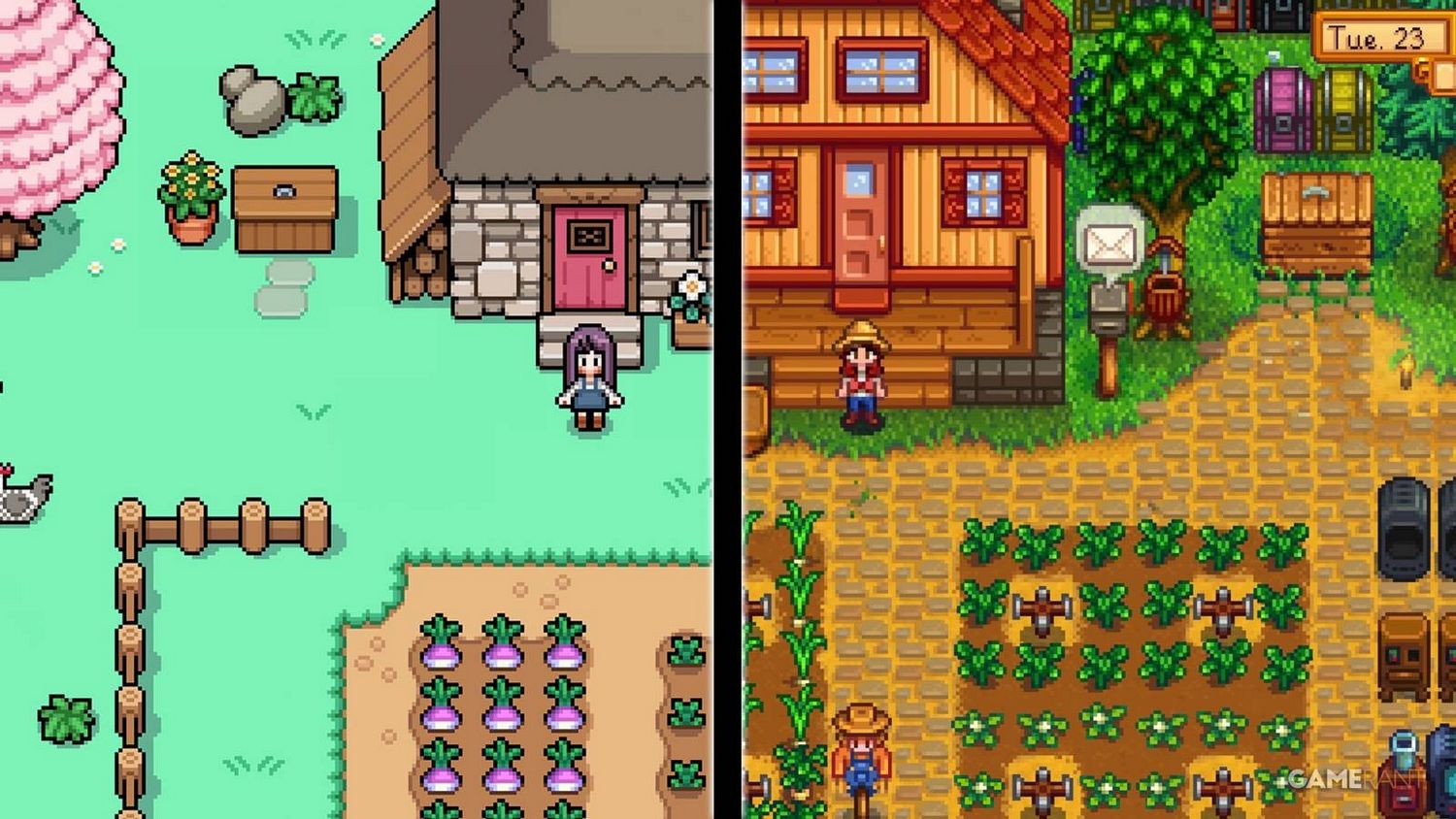 The pixelated farming simulation genre, largely popularized by the smash-hit success of Stardew Valley, is a crowded one. Yet, a new title has emerged that doesn’t just borrow from the formula but builds upon it with its own unique charm and depth: Fields of Mistria. This game successfully captures the cozy, open-ended spirit of its inspirations while introducing mechanical and narrative features that firmly establish its identity.
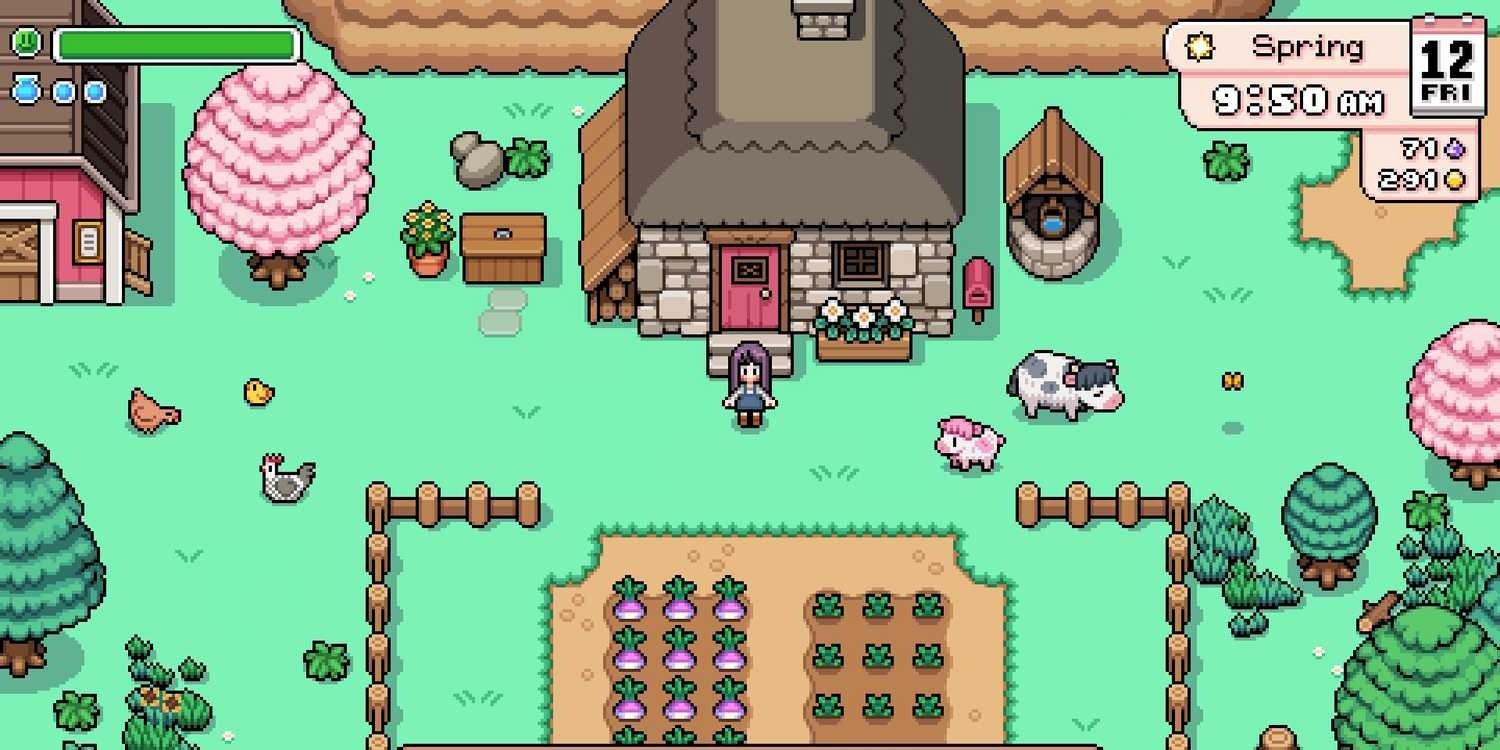
While the initial premise—move to a dilapidated farm, restore it, mine, fish, and mingle with townsfolk—is immediately familiar, Fields of Mistria quickly distinguishes itself through several key features that set it apart from its genre brethren.
Key Features That Make Mistria Unique
1. Deep Magic System and Ancient Mysteries
Perhaps the most significant differentiator is the game’s robust magic system. Unlike other games where magic is relegated to minor buffs or tools, magic is central to the gameplay loop in Mistria. Players can learn spells to enhance their farming, such as instantly watering large swaths of crops or magically harvesting resources. This adds a layer of efficiency and spectacle that feels fresh. Furthermore, the town is built on the ruins of an ancient, enchanted past, which ties into the main narrative. Restoring Mystic Shrines not only cleanses the environment of the mysterious “Mist” but also unlocks powerful new abilities and story segments, giving the exploration and mining aspects a clear, magical purpose.
 2. The Village Restoration Project
Instead of just restoring your own farm, Fields of Mistria places a strong emphasis on community-wide revitalization. The village itself is in a state of disrepair, and your efforts directly contribute to upgrading public areas, unlocking new stores, and attracting new residents and merchants to town. This system provides a tangible, collective goal that goes beyond personal profit. Seeing a rundown shack turn into a bustling bakery, complete with new recipes and NPCs, gives the player a real sense of civic pride and impact.
3. Flexible Relationship Mechanics and Dynamic NPCs
While forming friendships and relationships is a cornerstone of the genre, Mistria’s system feels more nuanced. NPCs have dynamic schedules that change based on the weather, the time of year, and even the progress of the town restoration project. Crucially, the game features a large and diverse cast of marriage candidates (over 10), and the relationship mechanics are designed to be extremely flexible, allowing for same-sex marriage and focusing on deeper, more adult storylines than typically found in the genre.
 4. Comprehensive Crop and Animal Husbandry
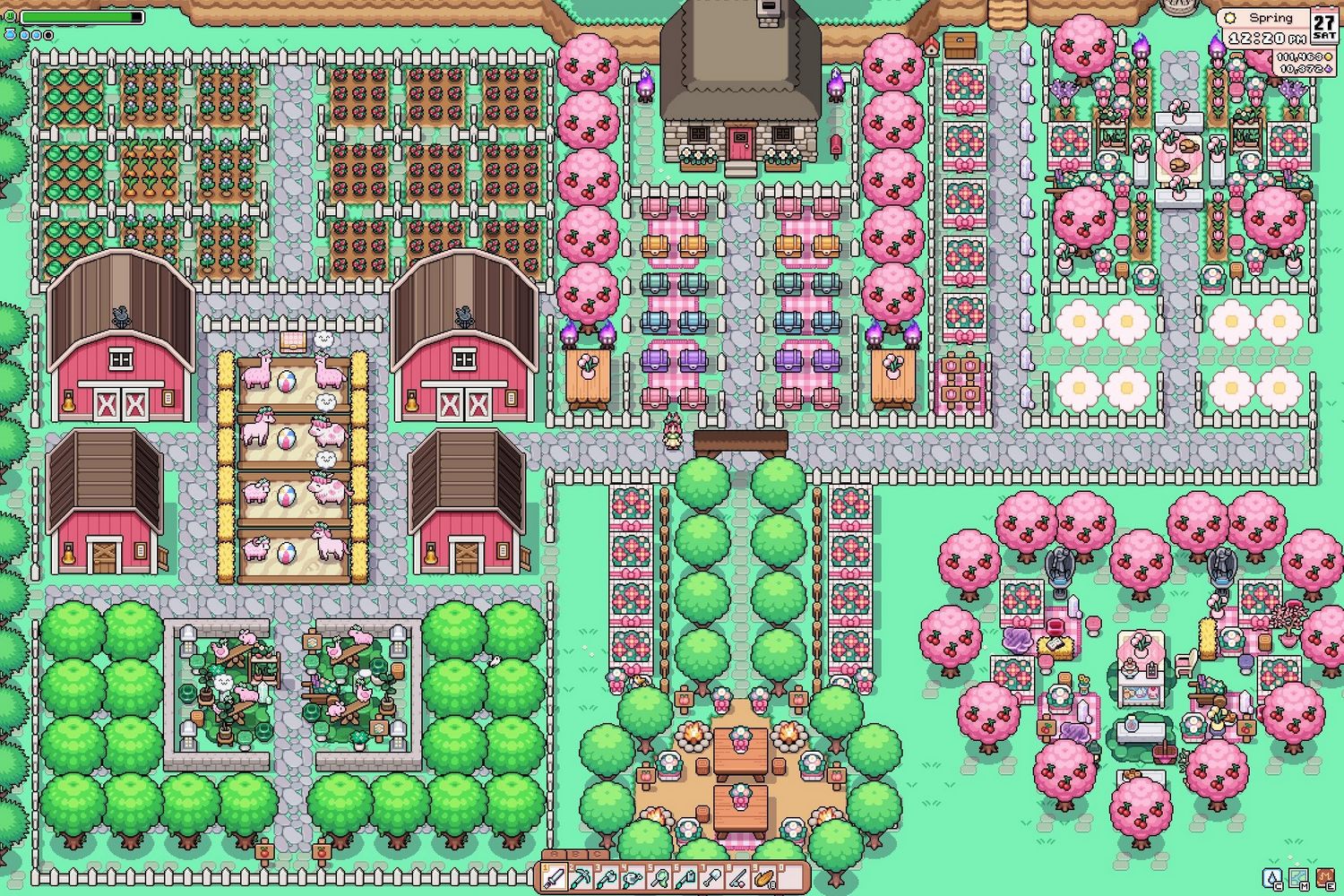
While planting seeds is still a core activity, the game introduces a complex crop mutation system based on soil fertility, water saturation, and proximity to magic sources. This encourages experimentation to discover rare and highly valuable produce. Similarly, animal husbandry goes beyond simple feeding; players must manage animal happiness, breed for specific traits, and participate in local animal festivals that involve unique mini-games, adding a substantial layer of depth to the livestock aspect of the farm.
By blending the comforting, cyclical routine of farming life with a unique magic system and a compelling village restoration goal, Fields of Mistria succeeds in being a clear love letter to Stardew Valley without being a simple clone. It offers a captivating new world for fans of the genre to lose hundreds of hours in, proving that there’s still plenty of fertile ground left to explore in the cozy sim space.