
The Unveiling: Why Demon Slayer Author Koyoharu Gotouge Chose Not to Make Tanjiro a Hashira










Popular Now
 Fortnite
 Toca Boca World
 FIFA 23
 God of War Ragnarök
Genshin Impact
God of War Ragnarök
Genshin Impact
 Free Fire
Fall Guys
Free Fire
Fall Guys
 Sonic the Hedgehog™ Classic
 Gacha Club
 BeamNG.drive
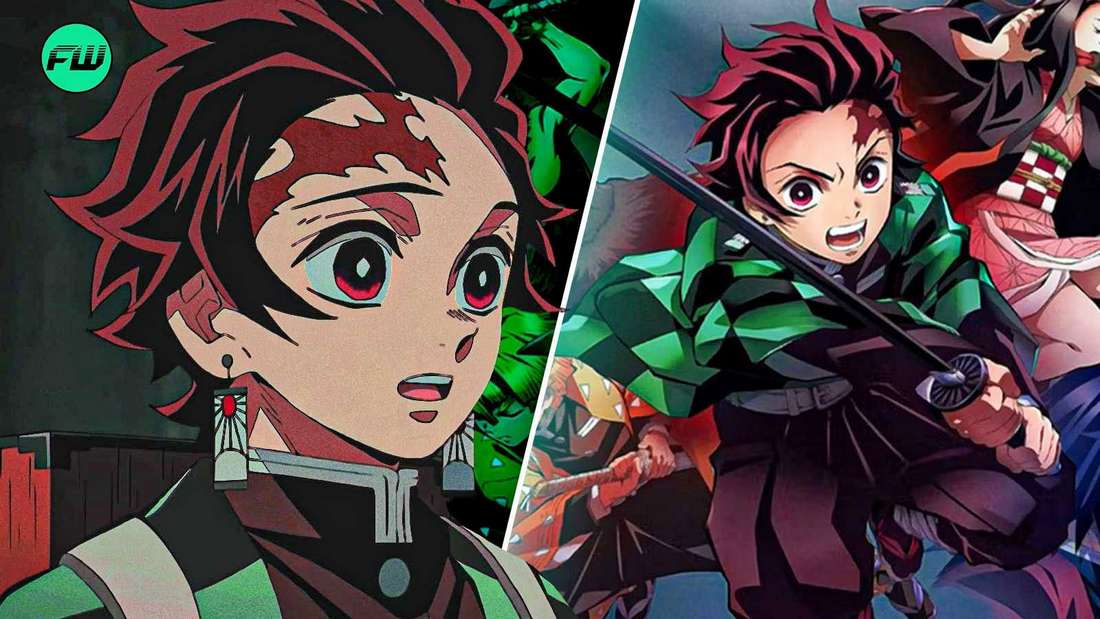 Demon Slayer: Kimetsu no Yaiba, a global phenomenon that has captivated millions with its poignant storytelling, breathtaking animation, and memorable characters, concluded its manga run with Koyoharu Gotouge leaving an indelible mark on the shonen genre. Among the many lingering questions and discussions within its passionate fanbase, one frequently surfaces: Why did the protagonist, Tanjiro Kamado, never officially become a Hashira, the elite rank of the Demon Slayer Corps? While the series itself provides numerous contextual clues, a deeper dive into Gotouge’s narrative choices offers compelling insights into this seemingly paradoxical outcome. This analysis explores the profound reasons behind Tanjiro’s exclusion from the revered Hashira ranks, reflecting Gotouge’s masterful understanding of thematic resolution and character arcs, moving beyond mere power scaling to deliver a more resonant conclusion for Demon Slayer enthusiasts and critics alike.
The journey of Tanjiro Kamado, from a humble charcoal seller to a formidable demon slayer, is a testament to unwavering resolve, profound empathy, and incredible combat prowess. His mastery of the Water Breathing technique, swiftly evolving into the devastating Sun Breathing (Hinokami Kagura), places him among the most powerful combatants. He faced and ultimately defeated some of the most fearsome Upper Rank demons, culminating in the titanic struggle against the progenitor of all demons, Muzan Kibutsuji. Despite these monumental achievements, the coveted title of a Hashira eluded him. Understanding this requires examining the very fabric of the Demon Slayer Corps, the requirements for its highest echelon, and the overarching narrative direction Gotouge meticulously crafted.
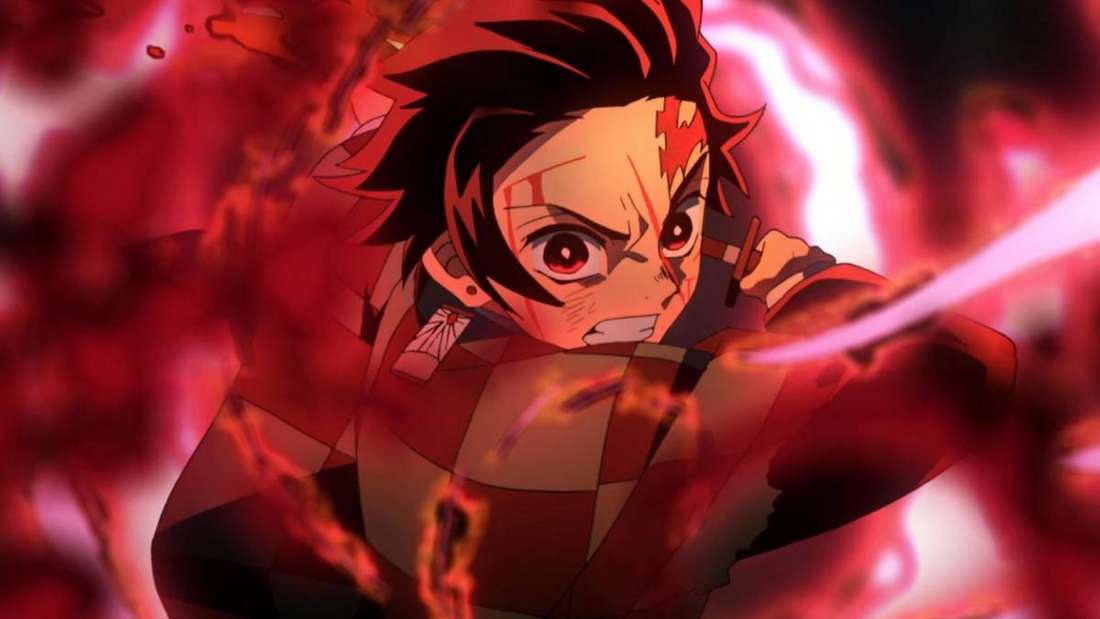 The Weight of the Hashira Title: Requirements and Responsibilities
The Hashira represent the pinnacle of strength, skill, and dedication within the Demon Slayer Corps. Their primary role is to protect humanity from demons, often operating independently or leading critical missions against the Twelve Kizuki. To attain this esteemed status, a demon slayer typically must either defeat an Upper Rank demon or accumulate fifty demon kills as a Kinoe, the highest rank below Hashira. Each Hashira also possesses a unique breathing style honed to perfection, alongside exceptional physical and mental fortitude. Figures like Giyu Tomioka (Water Hashira), Kyojuro Rengoku (Flame Hashira), and Sanemi Shinazugawa (Wind Hashira) exemplify these traits, showcasing immense power and an unwavering commitment to their cause. Given Tanjiro’s direct contributions to eliminating multiple Upper Ranks and his pivotal role in Muzan’s defeat, his qualifications based purely on merit appear indisputable. However, Gotouge’s narrative transcends a simple ‘level-up’ system, opting for a conclusion that prioritizes the spirit of the story over traditional shonen progression tropes.
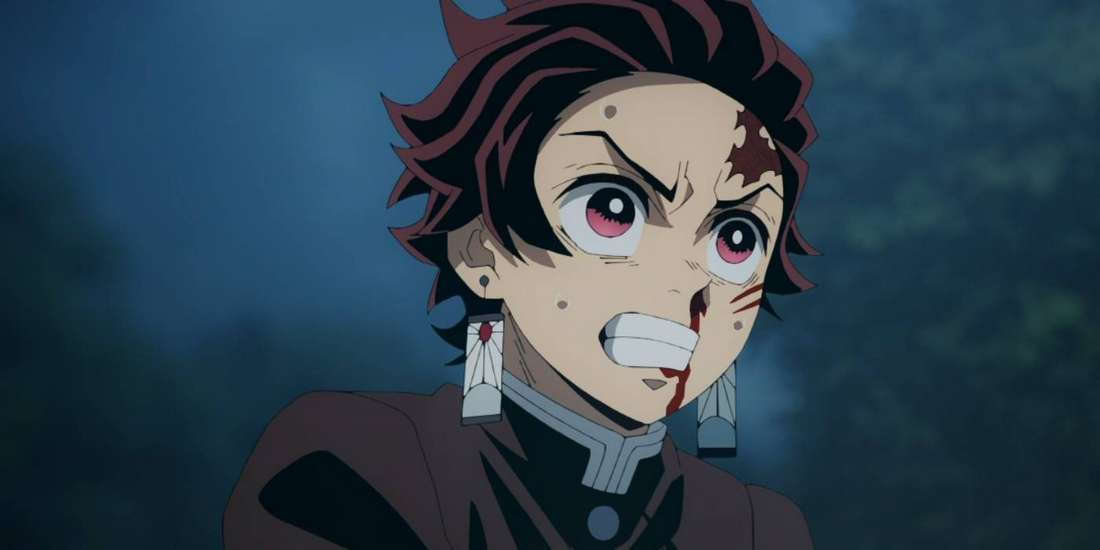 Tanjiro’s Unique Path and Sacrifices
Tanjiro’s journey was never solely about becoming the strongest or achieving a high rank. It was fundamentally driven by his quest to cure his sister, Nezuko, and avenge his family. This personal motivation, while aligning with the Corps’ goals, also set him on a distinct trajectory. His fighting style, particularly the Sun Breathing, was not a conventional breathing technique passed down through the Corps; it was an ancient, inherited power linked directly to the first demon slayer, Yoriichi Tsugikuni. This unique lineage, while granting him unparalleled power, also set him apart. The sheer physical and spiritual toll of mastering and wielding Sun Breathing, especially in the climactic battles, left Tanjiro with severe, permanent injuries. His body, pushed beyond its limits, would likely not sustain the continuous, high-intensity demands of a Hashira’s duties.
- Catastrophic Injuries: The battles against Upper Rank demons and especially Muzan left Tanjiro with profound physical damage, including significant loss of vision in one eye and severe nerve damage. Such injuries would fundamentally impair his ability to serve as a top-tier combatant requiring peak physical condition.
- The End of an Era: Crucially, the final battle against Muzan Kibutsuji marked the definitive end of the Demon Slayer Corps. With Muzan’s demise, the very reason for the Corps’ existence vanished. The organization, which had secretly operated for centuries, disbanded. There was simply no longer a need for Hashira or an institutional hierarchy to combat demons.
- Emotional and Psychological Burden: Tanjiro carried the immense emotional weight of his past and the constant threat to Nezuko. While this fueled his strength, it also speaks to a character arc focused on healing and resolution rather than perpetual conflict. His true victory was achieving a peaceful life for his sister and himself, free from the demon threat.